
 +86-532-8579-6999
 export@lightyearauto.com
 Shandong, China




 Aug 28, 2026
 92
92
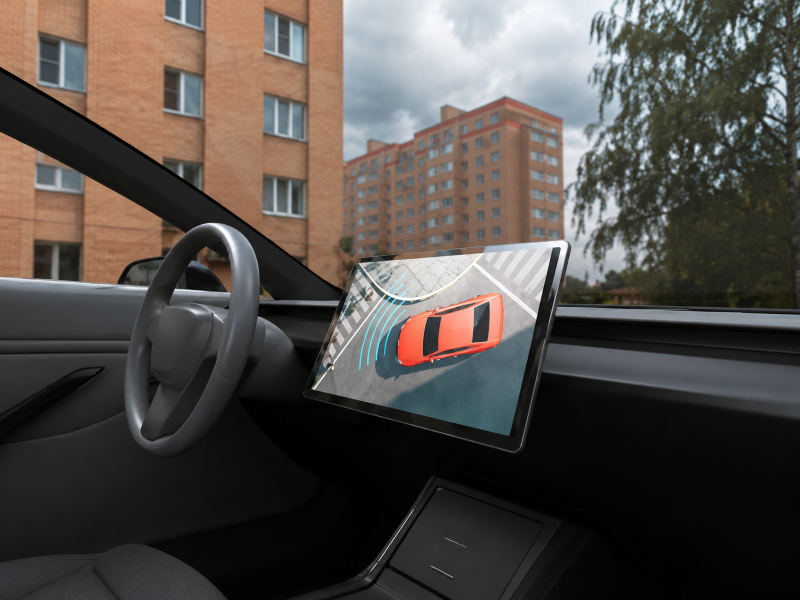
Advanced driver assistance and autonomous driving features were once reserved for premium vehicles with six-figure price tags. That barrier is crumbling. A new wave of smart driving technologies is bringing adaptive cruise control, lane-keeping assistance, automated parking, and highway pilot to mass-market vehicles at accessible price points.
The Democratization of ADAS
Advanced driver assistance systems are no longer the exclusive domain of luxury brands. By 2025, over 60% of new passenger cars globally are expected to offer Level 2 or Level 2+ capabilities as standard or affordable options. The cost of key components has fallen dramatically, with lidar prices dropping significantly in recent years, making sophisticated sensor suites viable for everyday vehicles.
The Software-Defined Vehicle
Smart driving is increasingly about software, not hardware. Over-the-air updates allow automakers to improve features and refine algorithms without dealer visits, reducing costs and enabling even entry-level models to benefit from fleet learning—where millions of vehicles collectively improve system performance for all.
Safety as the Great Equalizer
The most compelling argument for democratization is safety. Features like automatic emergency braking, blind-spot detection, and lane-departure warning have been proven to significantly reduce collisions and fatalities. By making these technologies available across all vehicle segments, automakers are delivering life-saving capabilities to those who need them most.
From China to the World
Chinese automakers like BYD and Xpeng offer advanced driver assistance on their most accessible models, driving global adoption. Western manufacturers are accelerating their own democratization strategies in response. Consumer trust, regulatory frameworks, and cybersecurity remain challenges, but the trend toward accessible smart driving is irreversible. The future of mobility is not just autonomous—it is inclusive.








 SUV
SUV +86-532-8579-6999
 +86-532-8579-6999
 +86-178-6290-1191
 Suite 2504, Block A, China Railway Qingdao Center, No. 8 Hong Kong Middle Road, Shinan District, Qingdao, Shandong Province, China